Venice, Italy · Castello · Santa Maria Formosa

Palazzo Grimani: Ancient Rome in the Heart of Venice

A 16th-century palace built like a Roman house, with frescoed rooms, a monumental staircase and the Tribuna, where Ganymede flies above a wall of ancient statues. Tickets €14, free for under-18s.

Tue–Sun 10:00–19:00
60–90 min Typical visit
1530s–1560s Renaissance decoration
€14 Full ticket · free under 18
What is Palazzo Grimani?

A Renaissance Palace That Wanted to Be Roman

Palazzo Grimani di Santa Maria Formosa was the home of one of Venice's great patrician families. Bought by Antonio Grimani, doge from 1521, it was rebuilt from the 1530s by his grandsons Vettore and Giovanni as a Roman-style house, with a courtyard, loggias and rooms decorated by artists trained in Rome.

Patriarch Giovanni Grimani filled it with one of the finest collections of ancient sculpture of the Renaissance. He left it to the Republic in 1587, and it became the core of Venice's Archaeological Museum. Today many of those statues are back in the palace.

The museum is run by the Italian Ministry of Culture. It is quiet, well restored, and a 10-minute walk from St Mark's Square, which few of the crowds there realise.

Read the full history →

Address Ramo Grimani, Castello 4858 · 30122 Venice
Opening Hours Tue–Sun 10:00–19:00 · last entry 18:00 · Mon closed
Ticket Prices Full €14 · Ages 18–25 €2 · Under 18 free
Free Days First Sunday of the month · 25 Apr · 2 Jun · 4 Nov
Tickets Sold At the desk or via the Musei Italiani app
Getting There 10 min walk from St Mark's · vaporetto Rialto or San Zaccaria
Inside the Palace

What You'll See at Palazzo Grimani

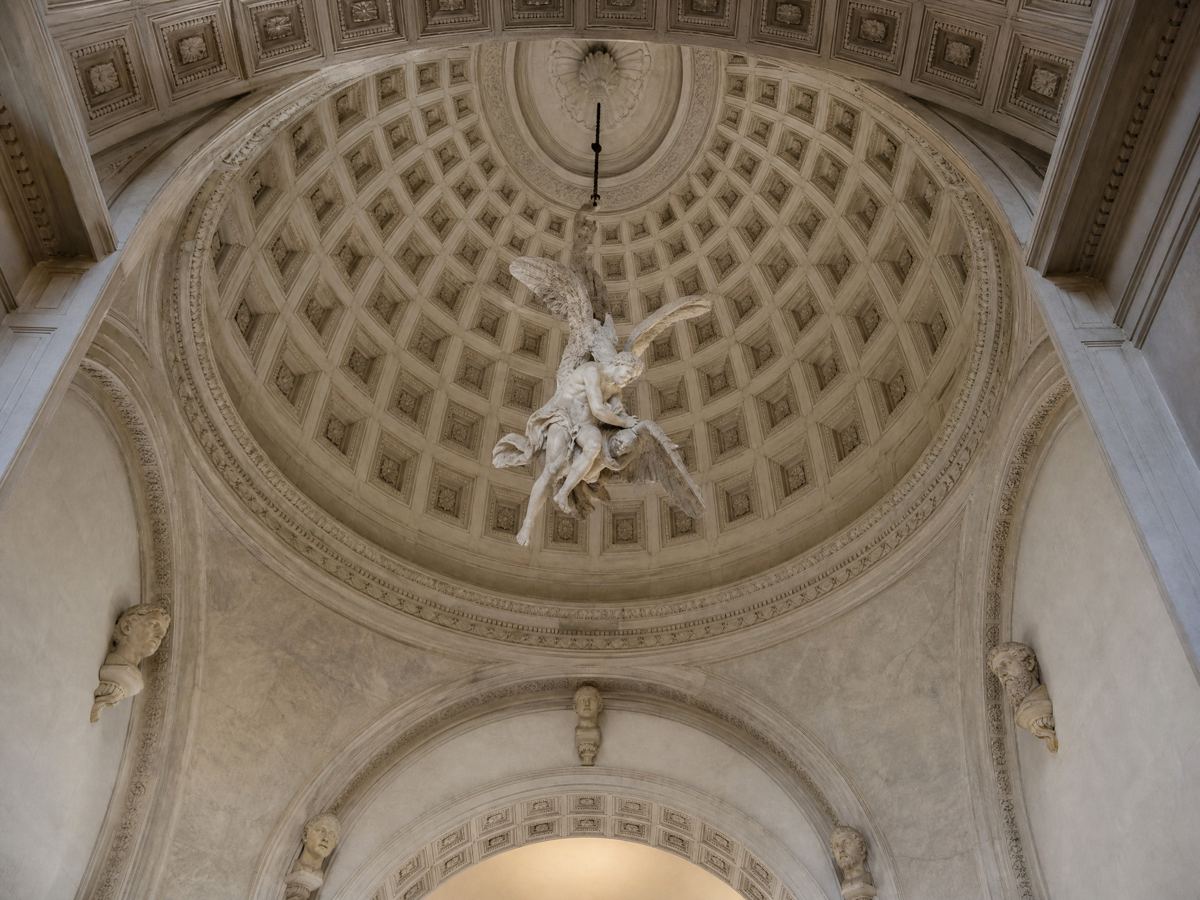
The Tribuna with Ganymede suspended from the vault, Palazzo Grimani

The Tribuna

The room the palace was built around: a small square hall under a coffered lantern, its walls lined with ancient heads and statues. In the centre of the vault, a marble eagle carries Ganymede off into the air. It is one of the strangest and most beautiful rooms in Venice.

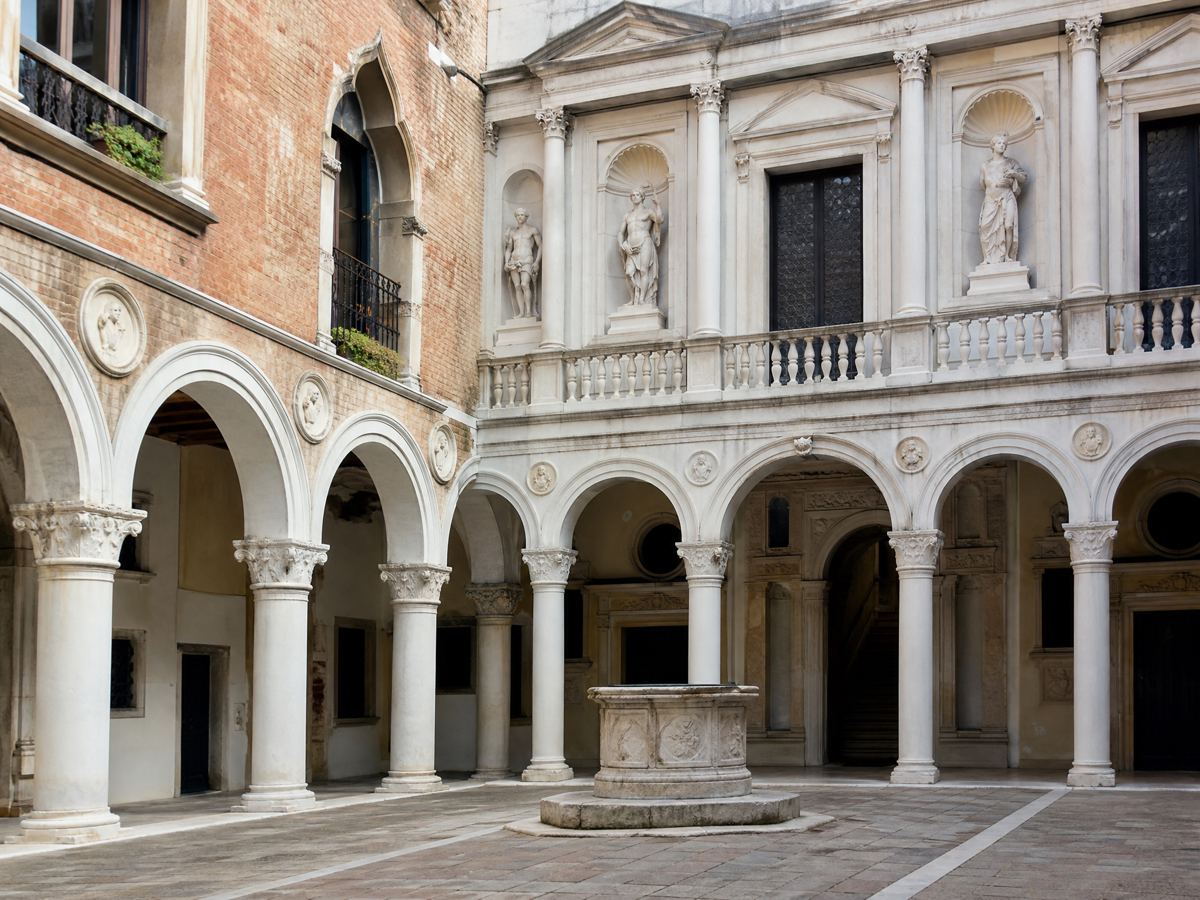
Renaissance courtyard with loggia and statues, Palazzo Grimani

The Courtyard

You enter into a square courtyard modelled on an ancient Roman house, with loggias where classical statues once stood. Look for the stucco baskets of fruit and vegetables in the loggia by the museum entrance.

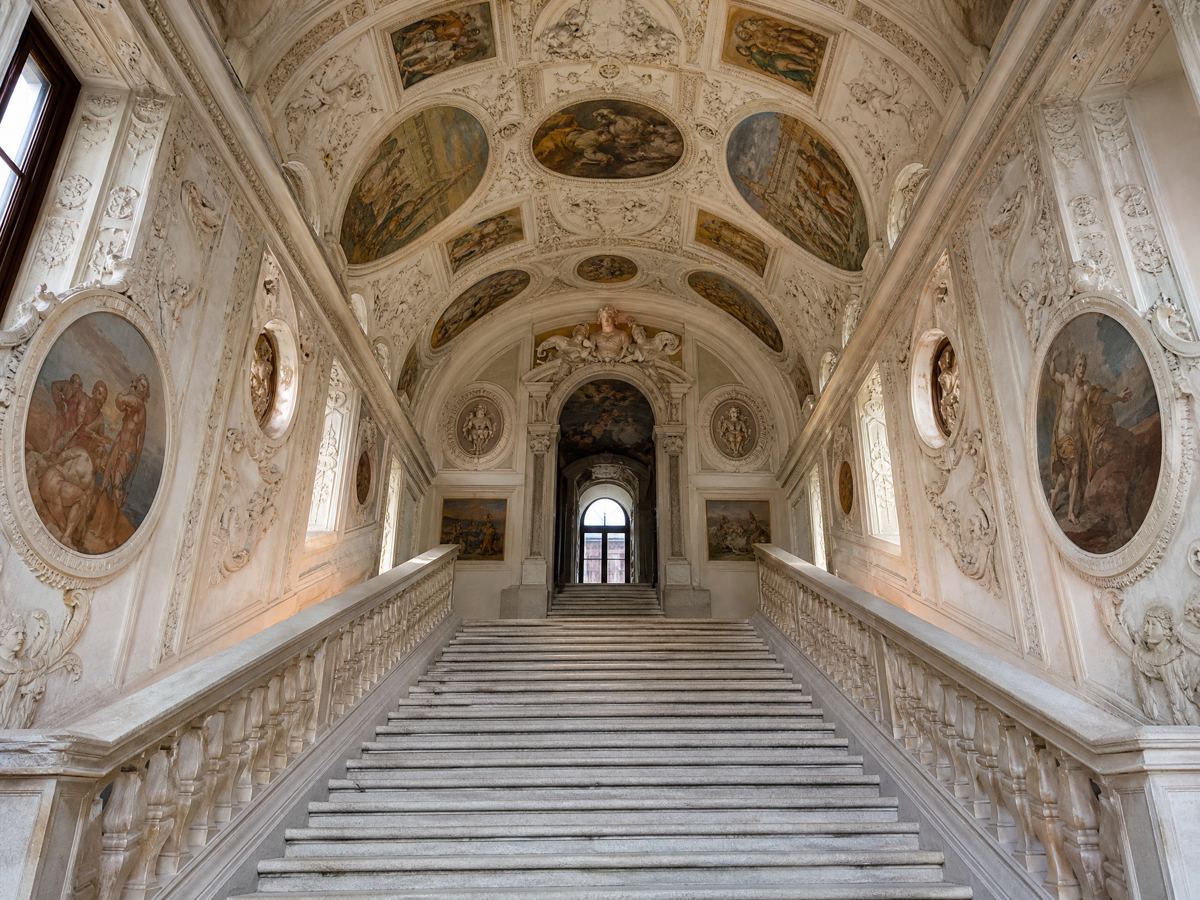
Monumental staircase with frescoed vault and stucco, Palazzo Grimani

The Grand Staircase

Decorated in 1563–1565 by the young Federico Zuccari, fresh from Rome: allegorical frescoes of the patron's virtues, grotesques, and stucco reliefs copied from antique cameos in the Grimani collection.

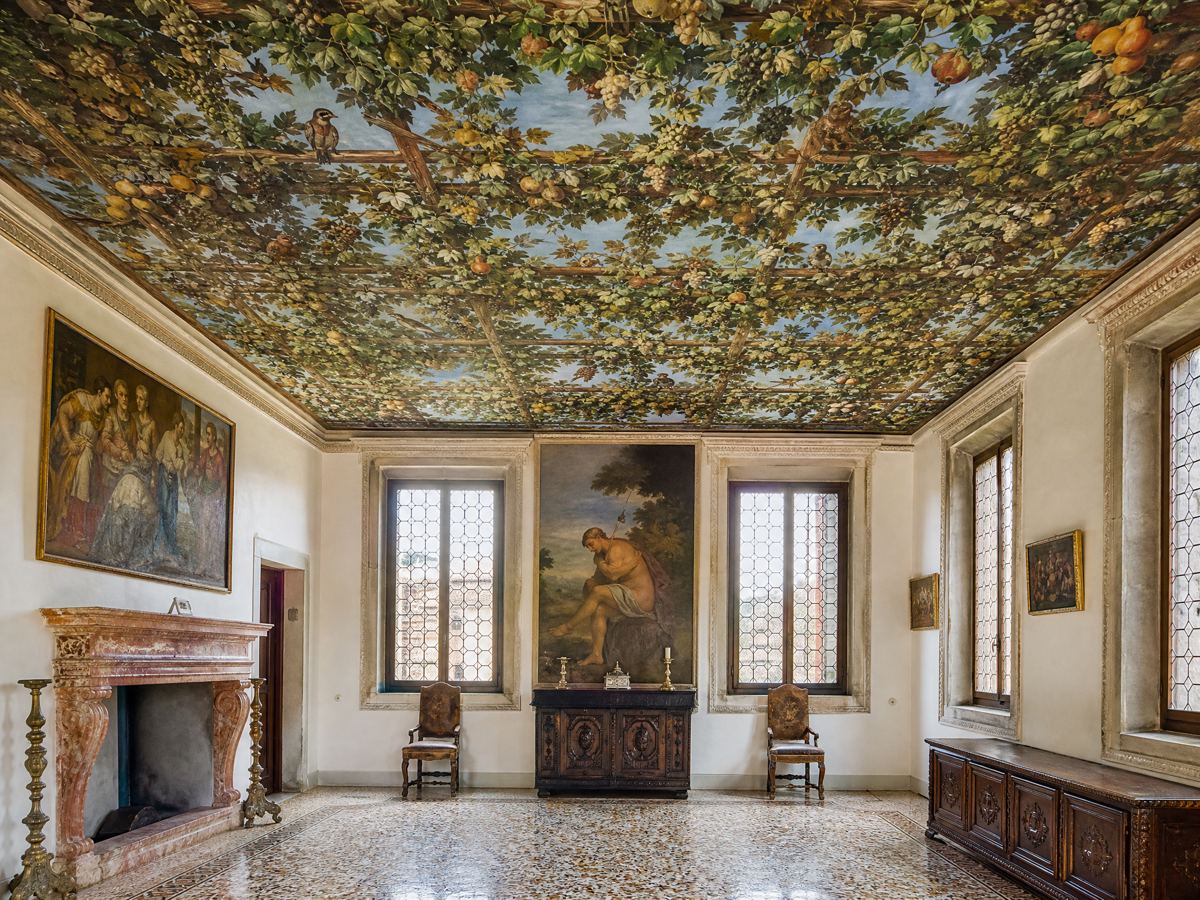
Sala a Fogliami ceiling painted with trees, flowers and birds, Palazzo Grimani

The Room of Foliage

Camillo Mantovano painted the whole ceiling as a canopy of fruit trees and flowers in the 1560s, with birds and animals hidden in the branches. Spend a minute finding them: some are hunting, some are being hunted.

Book Online

Palazzo Grimani Tours & Nearby Tickets

The museum sells its own tickets, at the desk and in the Musei Italiani app. What you can book online is a private walking tour that includes the Grimani ticket, plus the best things to pair with it in Venice.

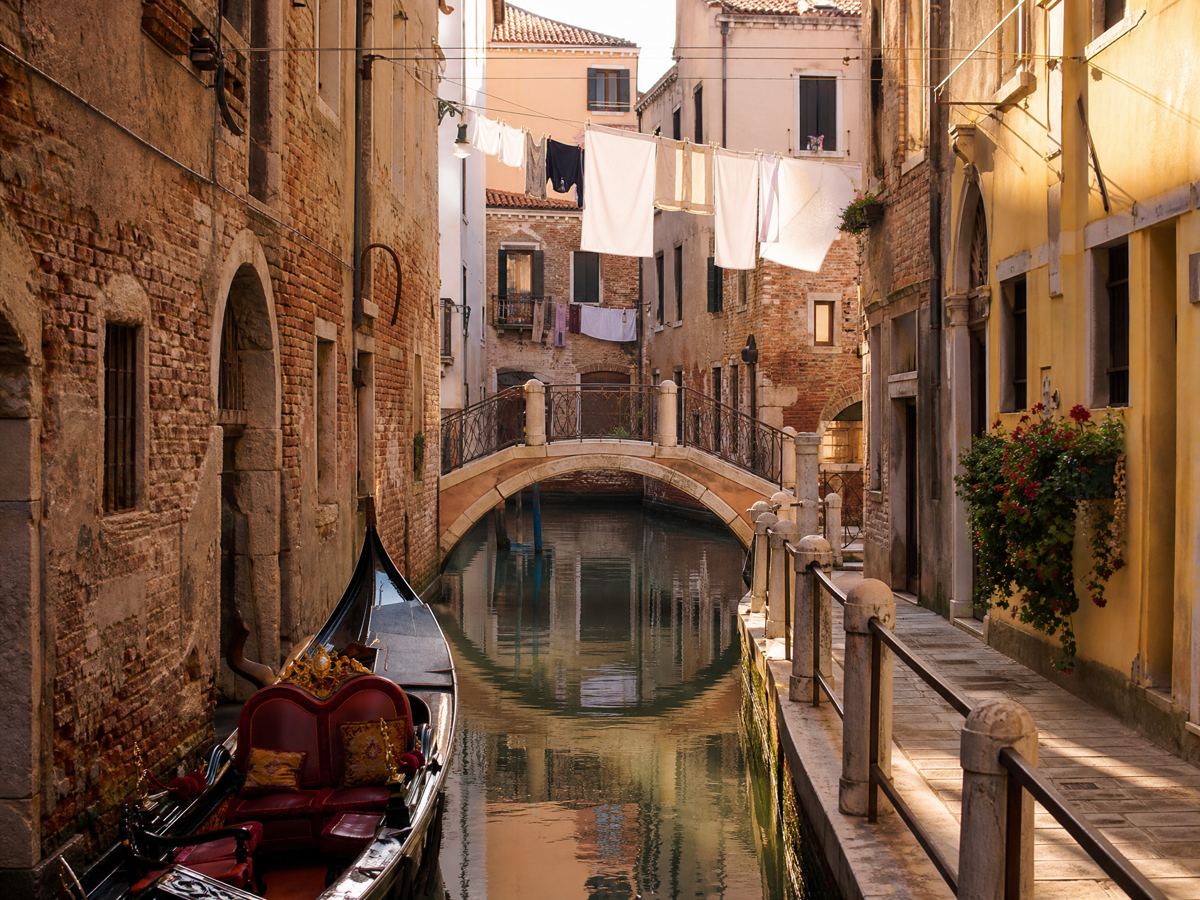
Quiet back canal in Venice with a small bridge
★ 5.0 1 review Ticket Included
Secret Venice: Palazzo Grimani Private Tour
A private afternoon walk from Rialto through Venice's back streets to the Museo di Palazzo Grimani, with the museum entrance ticket included. Marco Polo's house and a quirky bookshop on the way.
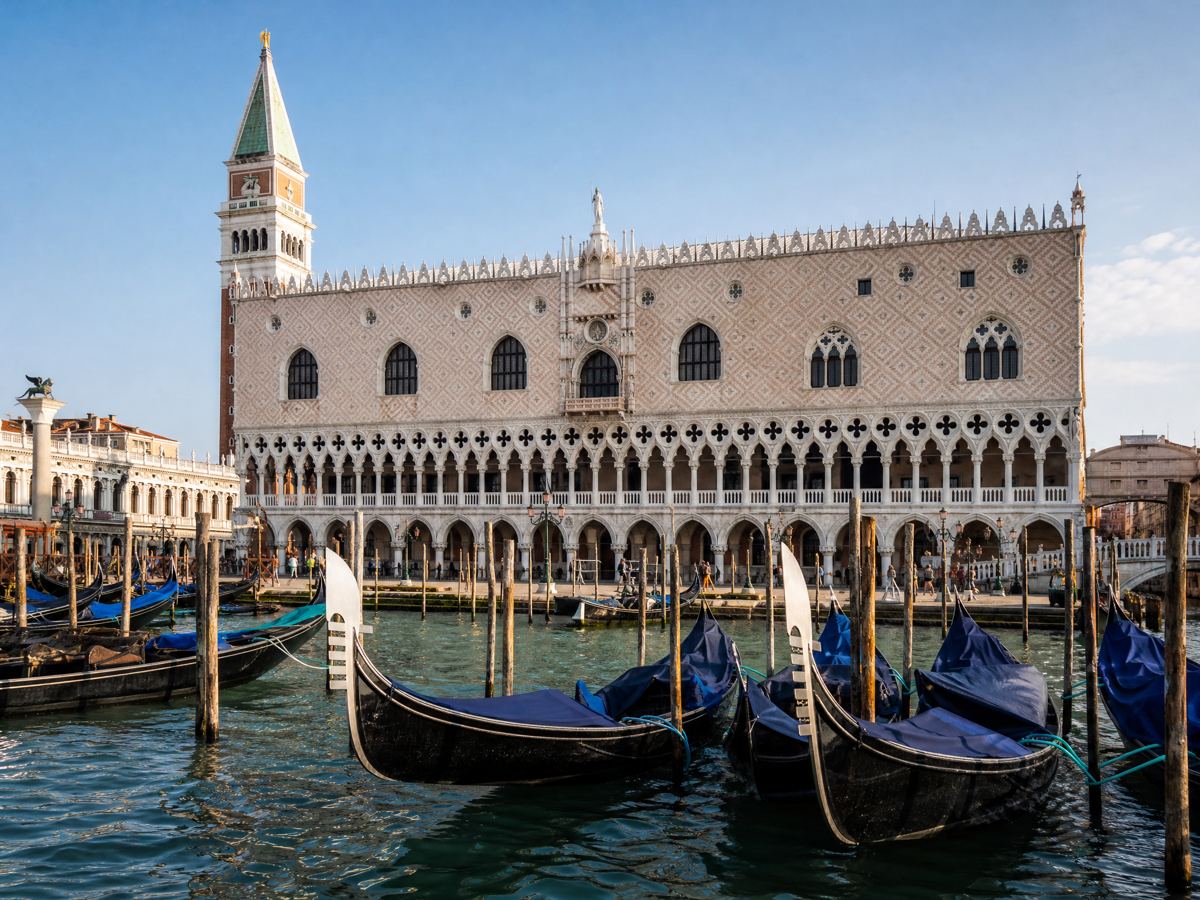
Doge's Palace seen from the water in Venice
★ 4.6 46,025 reviews Best Seller
Doge's Palace Reserved Entry Ticket
The palace of the Republic, 10 minutes' walk from Grimani. Antonio Grimani, who bought Palazzo Grimani, ruled from here as doge from 1521. Timed entry, so book ahead.
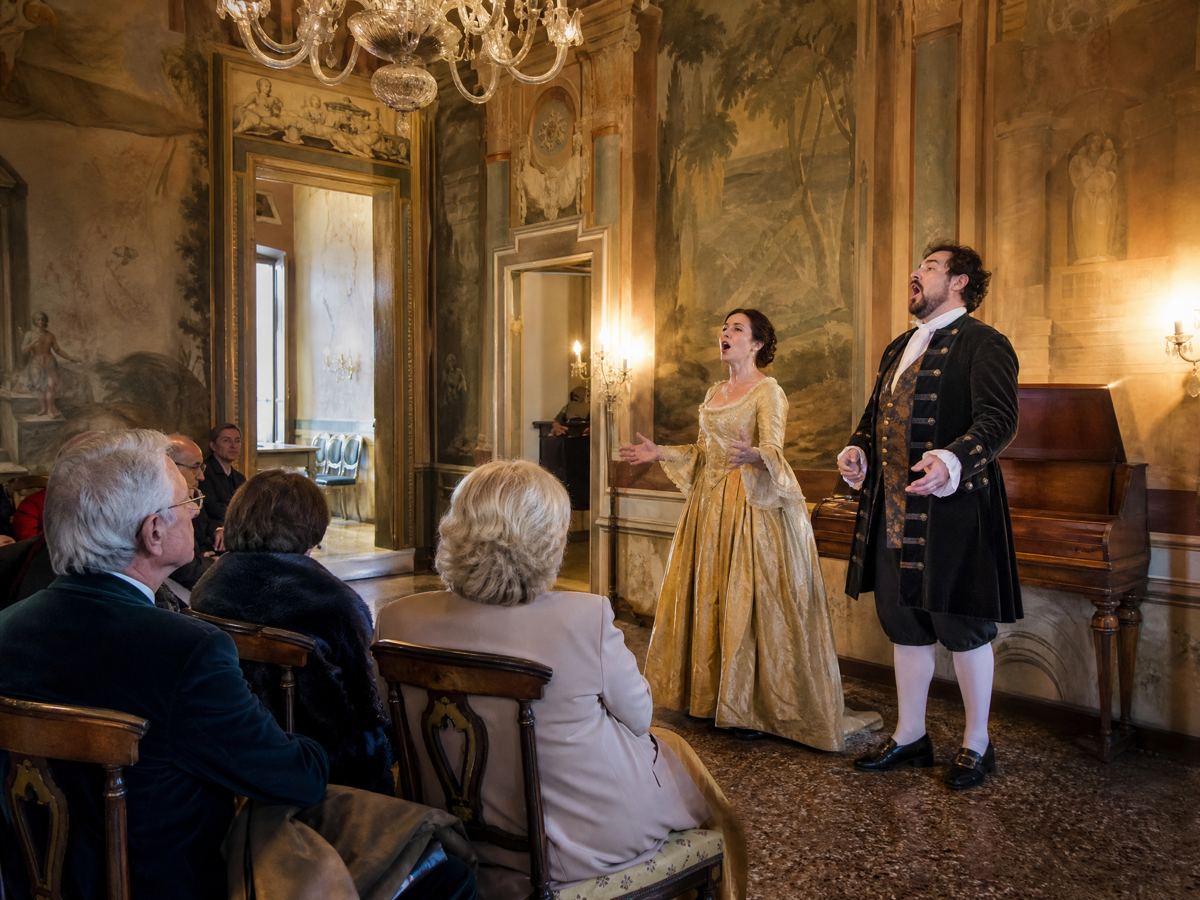
Opera singers performing in a frescoed Venetian palace salon
★ 4.7 4,514 reviews Evening
Opera in a Historic Venetian Palace
Opera that moves from room to room through a Grand Canal palace, with the audience following the singers. A good evening after a day among Grimani's frescoes.
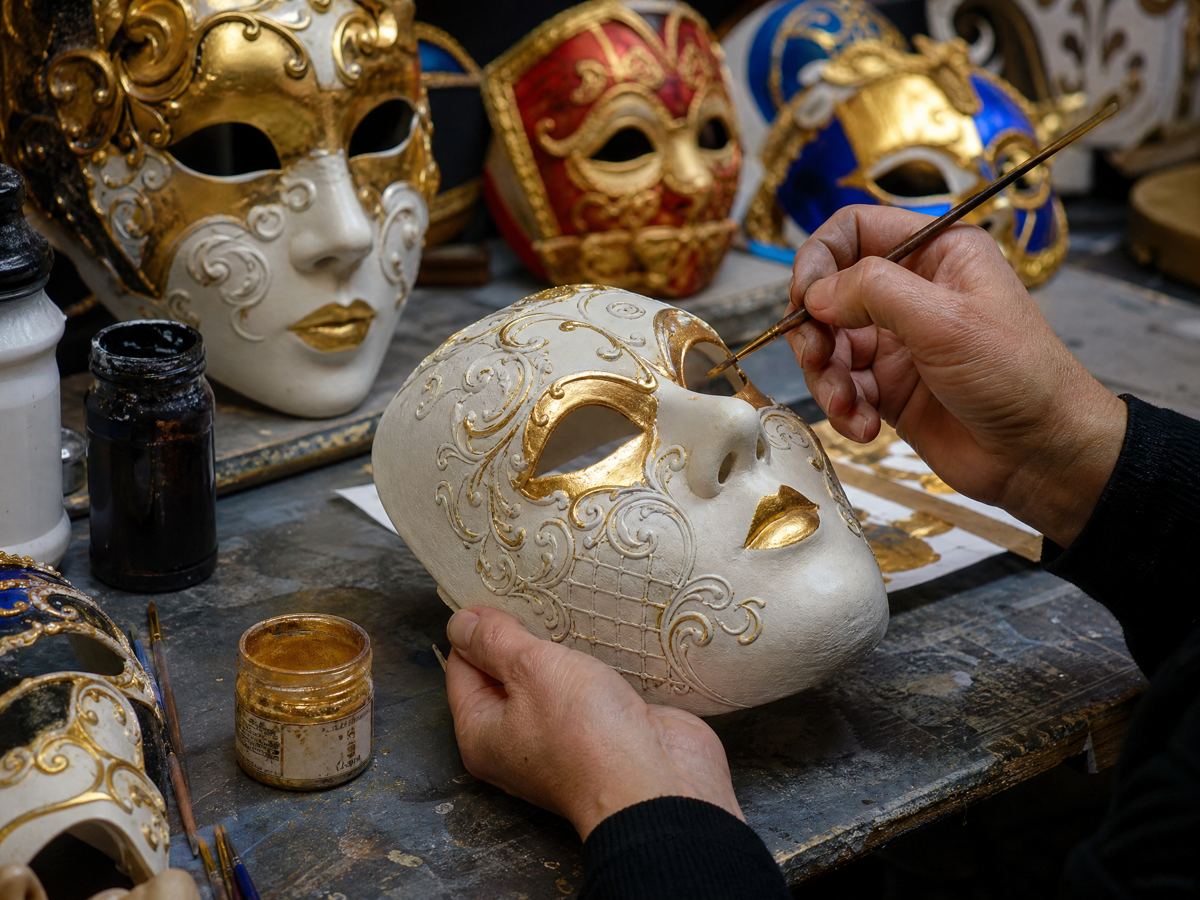
Hands painting a Venetian carnival mask with gold leaf
★ 4.8 70 reviews Hands-on
Venetian Mask Workshop
Decorate your own carnival mask with a local artisan, in another historic palace. Ninety minutes, all materials included, and you take the mask home.
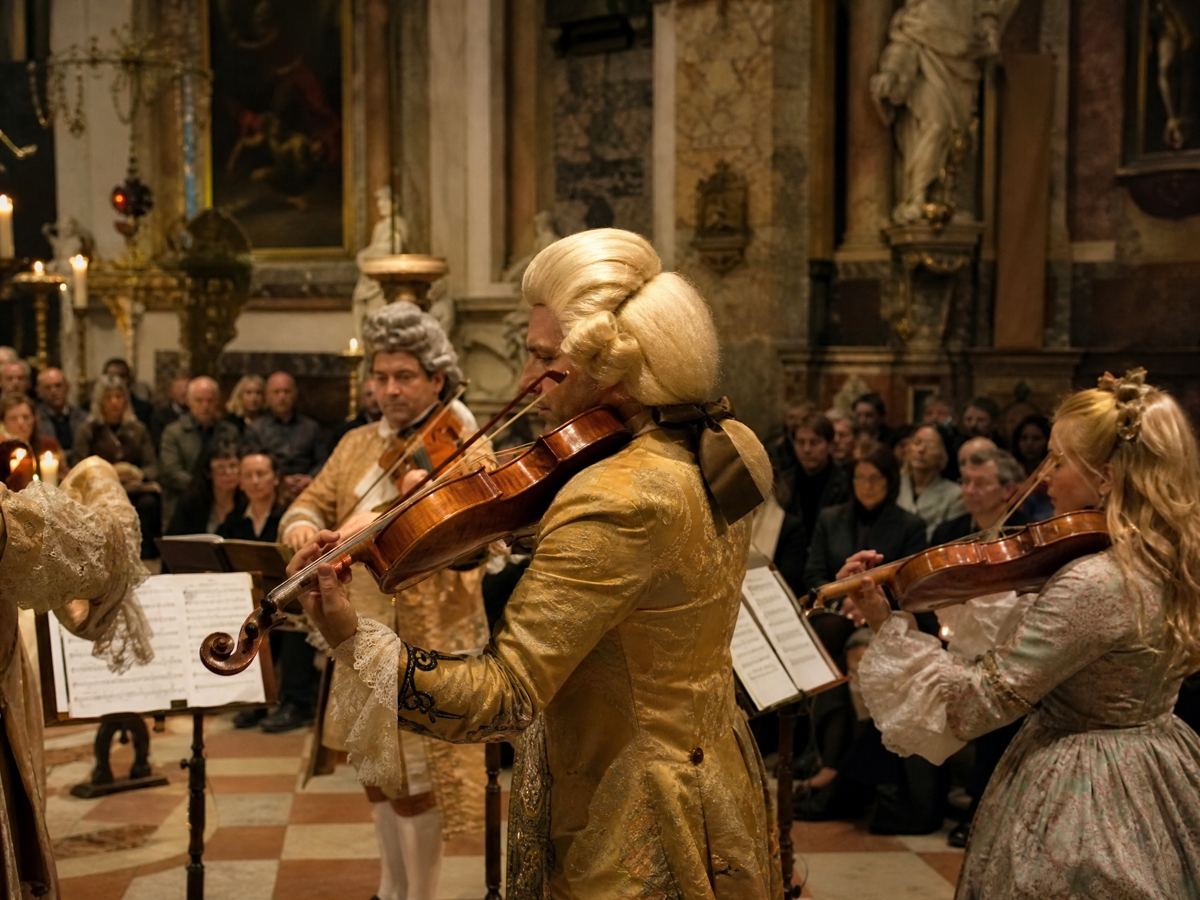
Baroque ensemble playing violins in a Venetian church
★ 4.7 4,094 reviews Top Rated
Vivaldi's Four Seasons Concert
Venice's own composer played live in a historic venue. Seventy-five minutes, easy to fit in after the museum closes at 19:00.
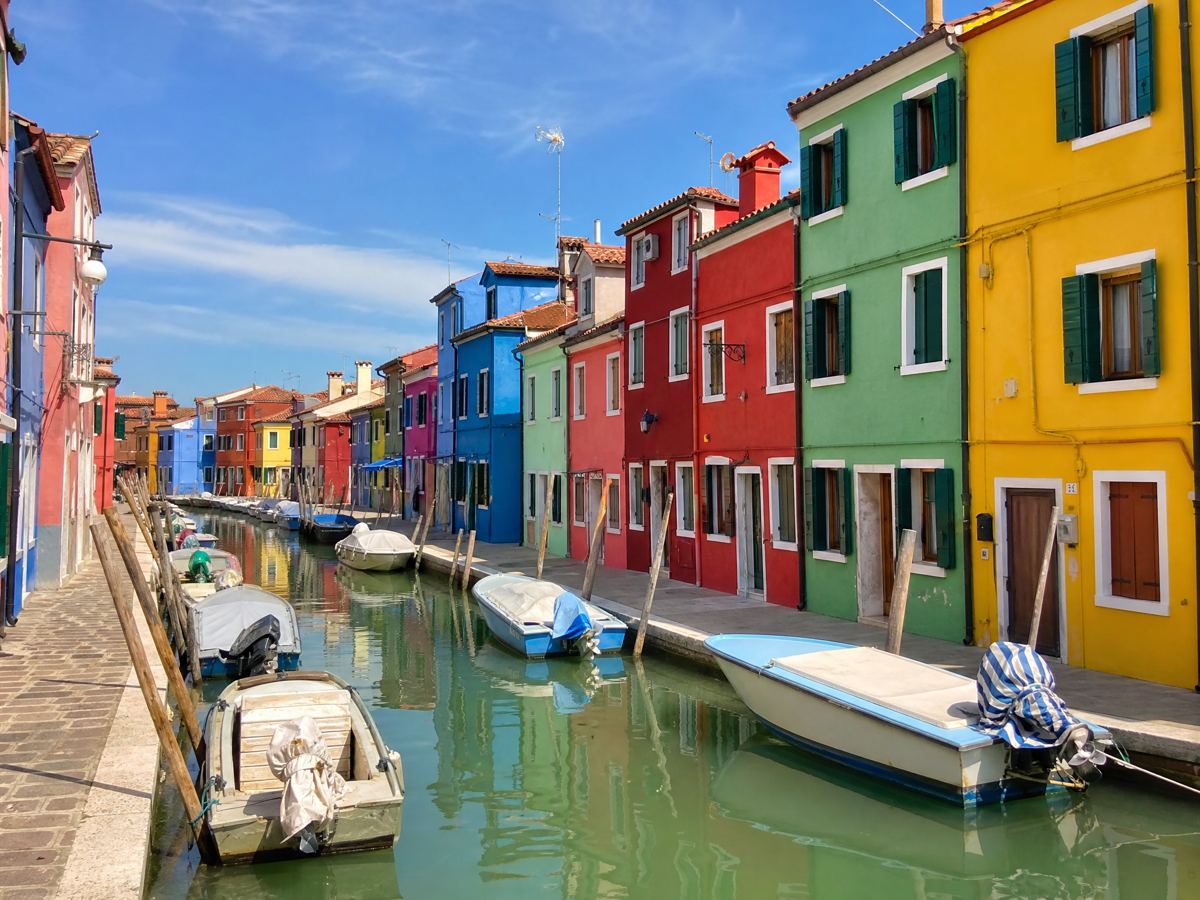
Colourful houses along a canal on Burano
★ 4.5 8,729 reviews Half Day
Murano & Burano Islands Tour
Half a day on the lagoon: a glass-blowing demonstration on Murano and the painted houses of Burano. Use the day Grimani is closed (Monday) for the islands.
Compare All Tours →
Live Availability

Doge's Palace Reserved Entry: Check Dates

Powered by GetYourGuide

Prices shown in USD. Free cancellation up to 24 hours before. Powered by GetYourGuide.

Compare Options

Which Way In Is Right for You?

What's Included Museum Ticket Best Value€14 · €2 ages 18–25 Free First Sunday€0 · monthly Secret Venice Private TourFrom $201 / group
Courtyard, staircase & piano nobile ✓ ✓ ✓
The Tribuna & sculpture collection ✓ ✓ ✓
Temporary exhibitions ✓ ✓ ✓
Guide — — ✓ private
Hidden Venice walk from Rialto — — ✓
Hotel pickup & drop-off — — ✓
Booking Desk or Musei Italiani app No booking, just turn up Viator · free cancellation
Best for Most visitors Budget travellers who can plan around it Couples and families who want a guide and the back streets
Next step Prices & Hours Free Entry Rules Book Private Tour
Look Closer

The Rooms You Shouldn't Miss

Beyond the Tribuna and the staircase, four details that most visitors walk past.

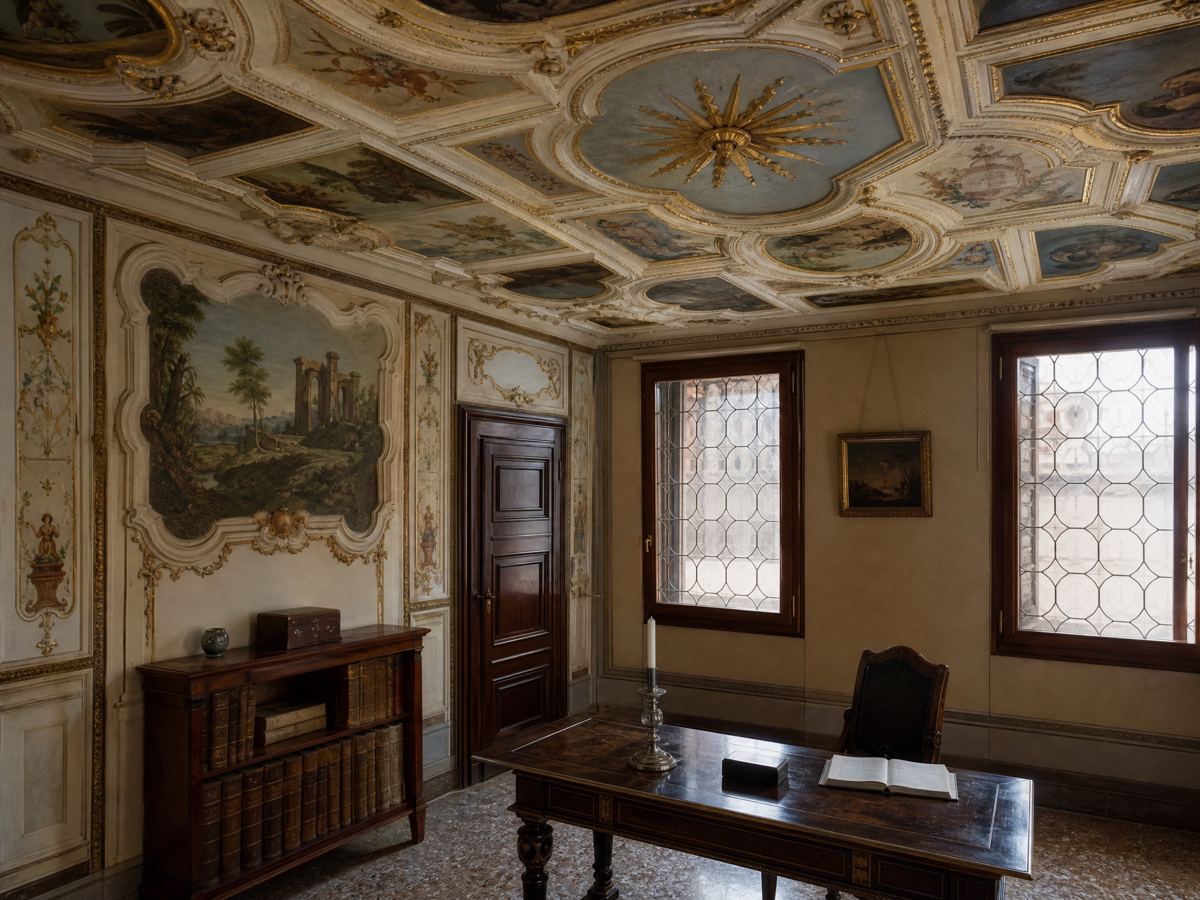
Small Renaissance study with stucco and painted decoration, Palazzo Grimani Camerino di Apollo

The Apollo Study

A tiny jewel box of a room with frescoes by Francesco Salviati and stucco by Giovanni da Udine, who had worked with Raphael in the Vatican. It shows how quickly Roman taste reached Venice.

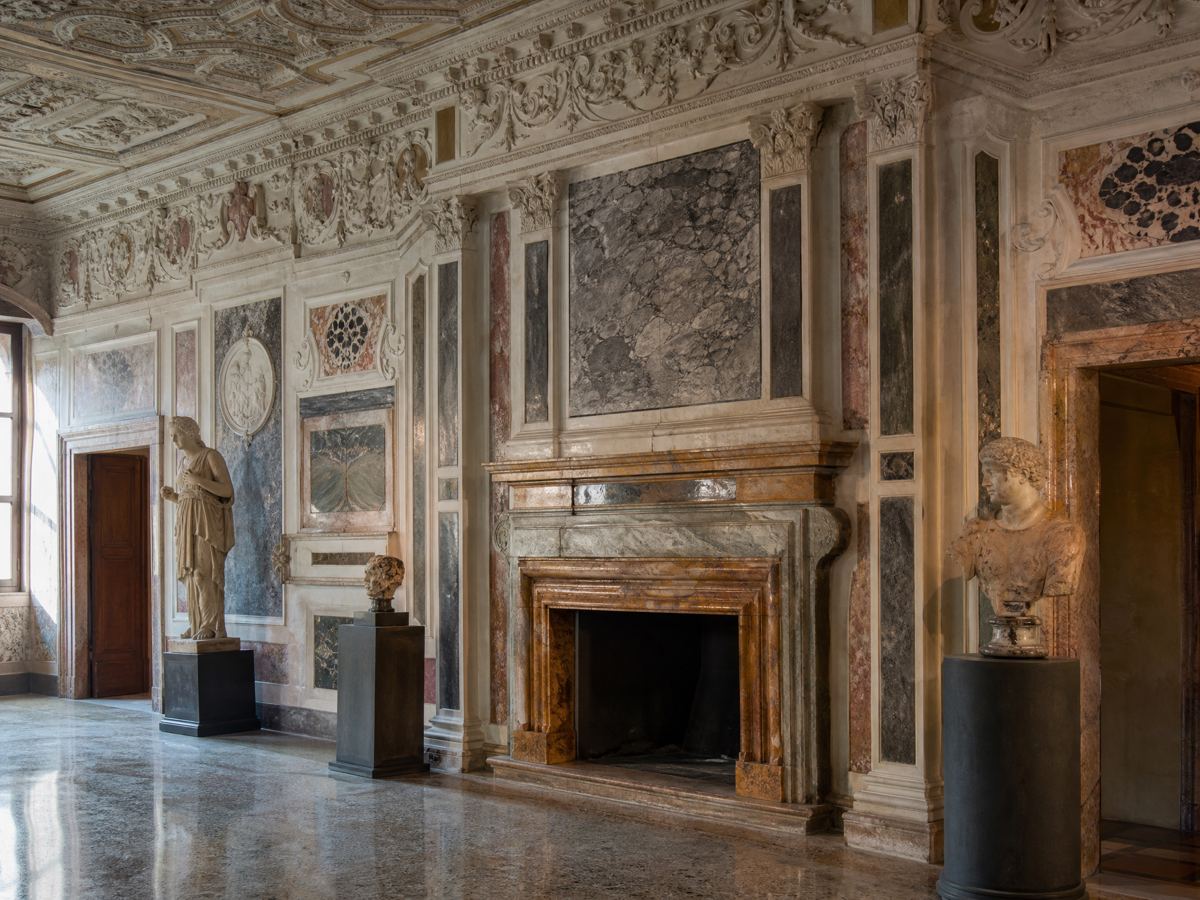
Room with polychrome marble panels and fireplace, Palazzo Grimani Sala del Doge Antonio

The Doge's Room

Named after Antonio Grimani, the doge who bought the palace. The walls are dressed in polychrome marbles and stucco, a showcase of materials as much as of art.

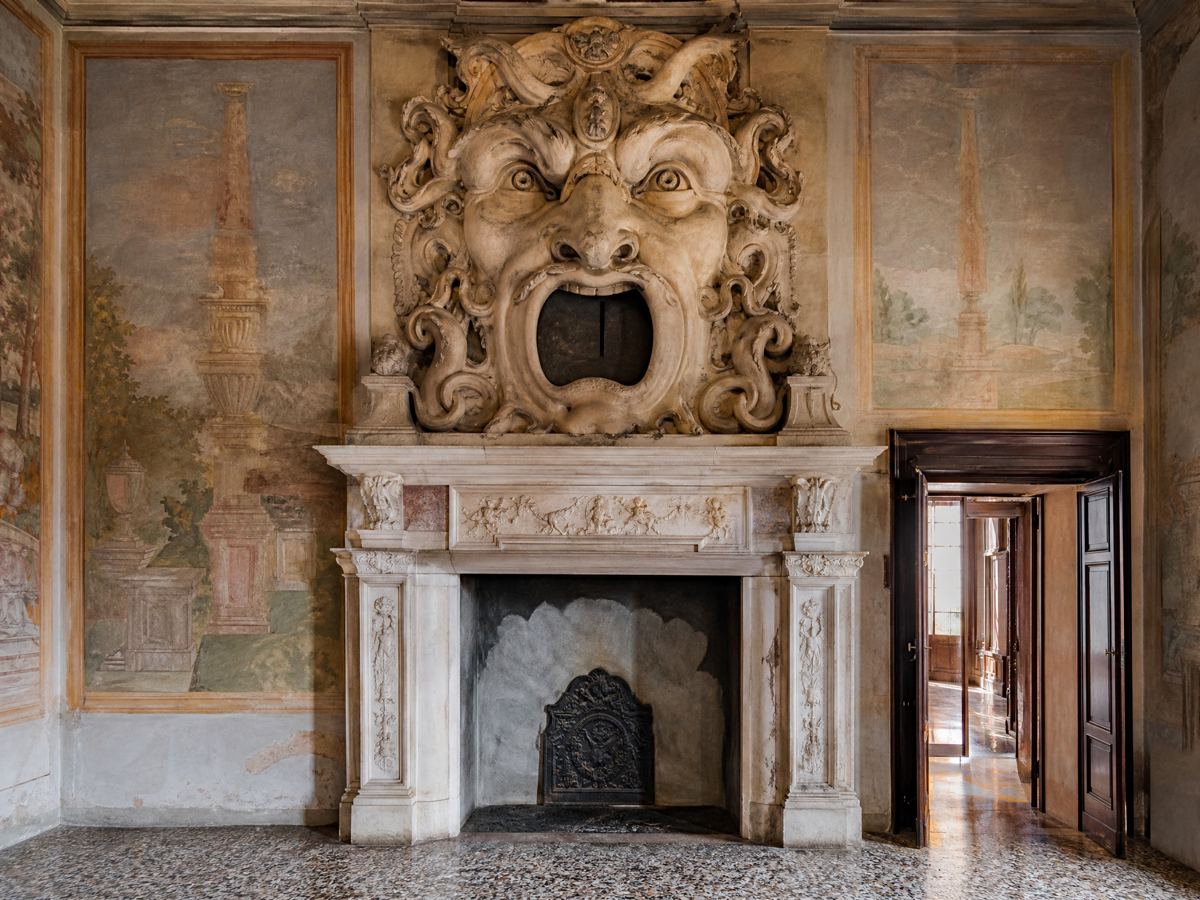
Fireplace with grotesque stucco monster face, Palazzo Grimani Sala del Camino

The Monster Above the Fire

Above the fireplace, a grotesque stucco face opens its jaws wide, probably also by Federico Zuccari. Children love it; Renaissance visitors would have caught the jokes about appetite and fire.

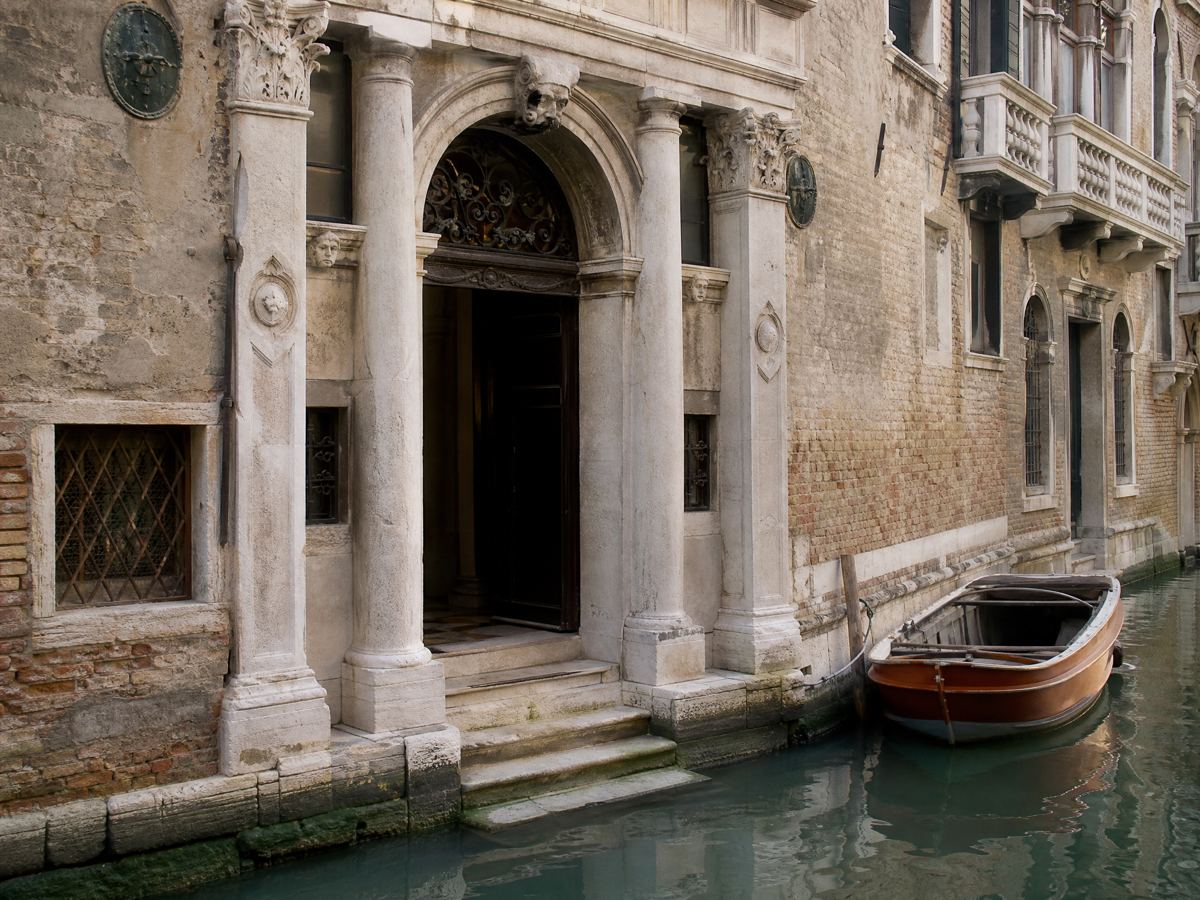
Water entrance of a palace on a quiet Venetian canal Rio di San Severo

The Water Gate

The palace was built where two canals meet, and its grand entrance faced the water. Today you arrive on foot through a narrow calle, but walk round to the Rio di San Severo to see the façade the Grimani wanted guests to see.

Plan Your Visit

What to Know Before You Go

Best Time to Visit

Come at opening time (10:00) or after 16:00. Even at its busiest, Grimani has a fraction of the crowds at St Mark's, so it is a good place to retreat to in the middle of the day.

Free First Sundays

Entry is free on the first Sunday of every month, as at all Italian state museums, and on 25 April, 2 June and 4 November. Under-18s are always free.

How Long to Allow

The permanent route takes 60–90 minutes. A temporary exhibition on the second floor can add 30–60 minutes.

Closed on Mondays

The museum is closed every Monday. That makes Monday a good day for the islands of Murano and Burano or for the Doge's Palace, which opens daily.

Combine With San Marco

Grimani is 10 minutes' walk from St Mark's Square. Do the Doge's Palace in the morning and Grimani after lunch, then walk back through Campo Santa Maria Formosa.

Look Up

The best things here are on the ceilings: the Zuccari staircase, the Room of Foliage, the Tribuna's Ganymede. Give your neck a rest between rooms, and keep the flash off.

Common Questions

Palazzo Grimani FAQ

How much are Palazzo Grimani tickets?
A full ticket to the Museo di Palazzo Grimani costs €14. Visitors aged 18 to 25 pay €2, and entry is free for under-18s and for disabled visitors with a companion. An annual pass costs €30. These are the prices published by the museum.
Is Palazzo Grimani free on any day?
Yes. Like other Italian state museums, it is free on the first Sunday of every month, and on 25 April, 2 June and 4 November. Expect more visitors on those days, though it rarely gets truly crowded.
What are the opening hours?
Tuesday to Sunday, 10:00 to 19:00, with last entry at 18:00. The museum is closed on Mondays. It opens on several holidays, including Easter Sunday and Monday, 25 April, 1 May and 15 August, and runs occasional evening openings.
Where can I buy tickets?
The museum sells tickets only at its own ticket desk and through the official Musei Italiani app and website. You don't need to book ahead as an individual. Groups must book in advance by email or phone.
How long does a visit take?
Allow 60 to 90 minutes for the courtyard, the staircase and the rooms of the piano nobile, including the Tribuna. Add 30 minutes or more if there is a temporary exhibition on the second floor.
Is Palazzo Grimani worth visiting?
If you like Renaissance interiors and classical sculpture, yes. It is one of the few 16th-century Venetian palaces you can walk through with its frescoes and stuccoes restored, and the Tribuna, with Roman statues back on its walls and Ganymede hanging from the vault, has no equal in the city. It gets a small fraction of the Doge's Palace's visitors.
What is the Tribuna?
A small square room with a coffered lantern ceiling, designed to display Patriarch Giovanni Grimani's collection of ancient sculpture. It once held more than a hundred pieces. Today many of them are back in place, and a Roman statue of the eagle carrying off Ganymede hangs from the centre of the vault.
Who were the Grimani?
One of Venice's great patrician families. Antonio Grimani, who bought the palace, became doge in 1521. His grandsons Vettore, a Procurator of St Mark's, and Giovanni, Patriarch of Aquileia, rebuilt it in the Roman style from the 1530s. Giovanni gave his antiquities to the Republic in 1587, founding what is now the National Archaeological Museum.
How do I get to Palazzo Grimani?
The museum is in the Castello district, at Ramo Grimani off Ruga Giuffa, a minute from Campo Santa Maria Formosa. It is about 10 minutes on foot from St Mark's Square. The nearest vaporetto stops are Rialto and San Zaccaria.
Is there a guided tour that includes Palazzo Grimani?
Yes. On Viator, a private 'Secret Venice' walking tour from Rialto includes the museum entrance ticket, with Marco Polo's house and other hidden corners on the way. The museum itself does not run regular guided tours for individuals.
Is the museum accessible?
As a state museum, Palazzo Grimani offers free entry to disabled visitors and a companion. The piano nobile is reached by a monumental staircase; ask the ticket desk about access before your visit by phone on +39 041 241 15 07.
What exhibitions are on?
The second floor hosts temporary exhibitions that pair old and contemporary art. In 2026 the museum shows Amoako Boafo's first solo exhibition in Italy, from 5 May to 22 November. Check the museum's website for current shows.
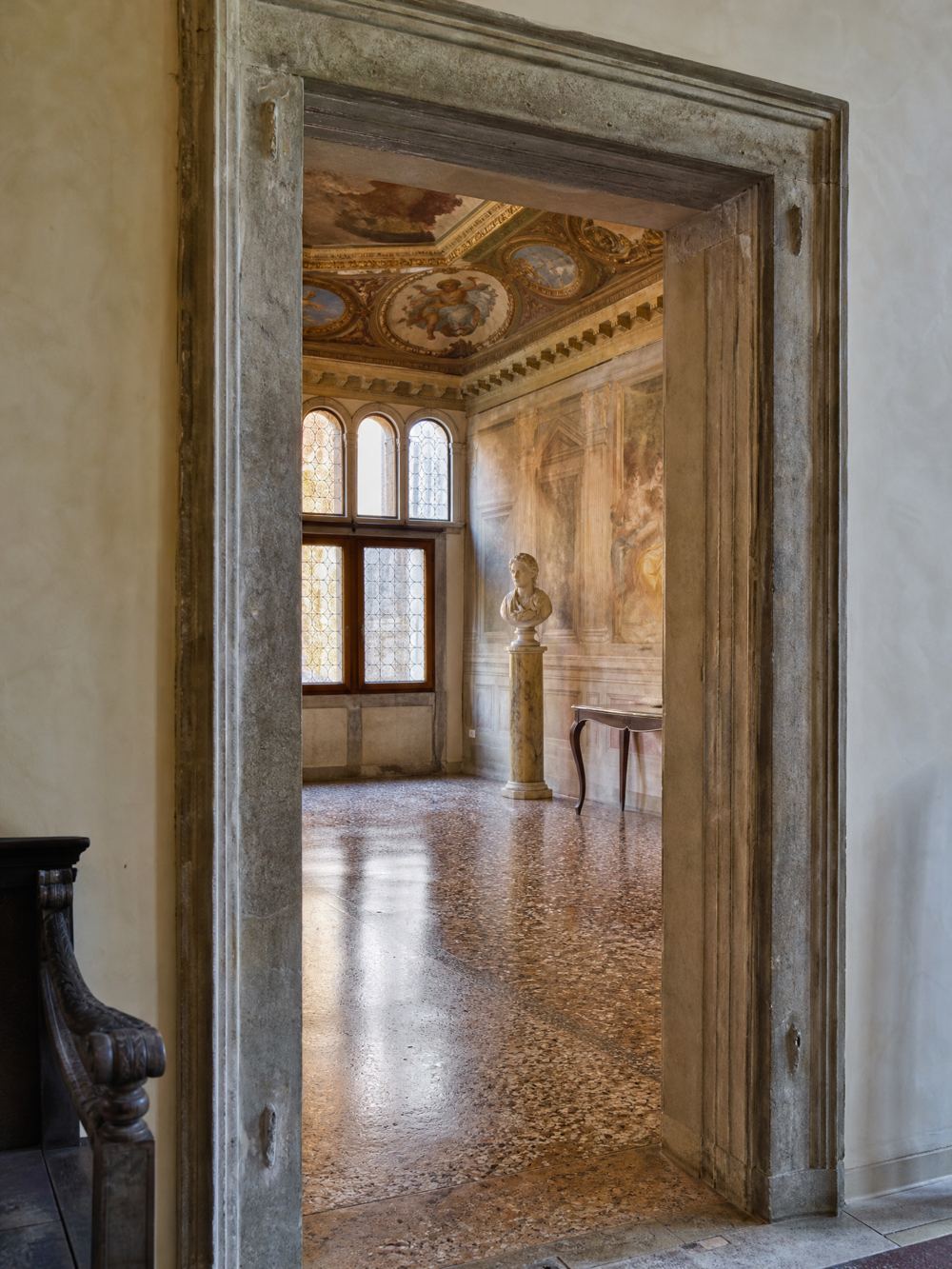
View through a Renaissance doorway to a frescoed room with a marble bust, Palazzo Grimani

Need More Help?

Opening hours, free days, or fitting Grimani into a day around St Mark's: ask us.

Contact Us →
Insider Guide

Everything You Need to Know About Palazzo Grimani

The family, the collection, the rooms, and how to fit the palace into a Venice day.

Venice's Roman House

Most Venetian palaces look Gothic or Byzantine, facing the Grand Canal with lace-like windows. Palazzo Grimani is different. Its owners had lived in Rome and wanted a house that looked like an ancient Roman domus: a central courtyard, loggias full of statues, rooms decorated like the newly excavated palaces of the emperors.

In 16th-century Venice that was a provocative choice, and it still feels unexpected today.

A Doge Buys the House

The core of the building was a medieval house where the Rio di San Severo meets the Rio di Santa Maria Formosa. Antonio Grimani bought it at the end of the 15th century, and in 1521 he was elected doge.

His grandsons inherited it in the 1520s and set about turning it into something new.

Two Brothers, One Vision

Vettore Grimani was a Procurator of St Mark's; his brother Giovanni was Patriarch of Aquileia, a churchman with a passion for antiquities. From 1537 they remodelled the house in the Roman style and brought in painters and stuccoists trained in Rome.

When Vettore died in 1558, Giovanni became sole owner, added a new wing that closed the courtyard, and kept decorating.

The Collection That Founded a Museum

Giovanni Grimani collected classical sculpture, marbles, bronzes, vases and gems, and displayed them in the Tribuna and the rooms of the piano nobile. In 1587 he gave his sculptures and gems to the Republic of Venice.

After his death they went to the Marciana Library, and they became the founding core of today's National Archaeological Museum on St Mark's Square.

The Statues Come Home

For more than four centuries the Tribuna stood empty. In 2019 an exhibition brought the ancient sculptures back to the palace, and many are displayed in the rooms where Giovanni first placed them.

Since 2024, Palazzo Grimani has been part of the same national museum group as the Archaeological Museum, which keeps the two halves of the story together.

Decline and Rescue

The Santa Maria Formosa branch of the Grimani died out with Michele Grimani in 1865. The palace passed through several owners and fell into poor condition.

The Italian state bought it in 1981. After a long restoration of the frescoes, stuccoes and marbles, it opened as a museum on 20 December 2008.

Old Art, New Art

The second floor, without the decorations of the first, is used for temporary exhibitions that set contemporary artists against the Renaissance rooms. Recent years have seen painters and sculptors from Georg Baselitz to Amoako Boafo, whose first Italian solo show runs in 2026.

Check what's on before you go: the shows change the feel of the visit.

Make a Day of It

The Doge's Palace is 10 minutes away. The church of Santa Maria Formosa is on the next campo, and the Querini Stampalia foundation is just beyond it.

In the evening, pair your visit with a concert or opera in another palace, or keep Monday, when Grimani is closed, for the islands.

Practical Advice From People Who've Been

Finding the Entrance

The door is down a narrow calle, Ramo Grimani, off Ruga Giuffa near Campo Santa Maria Formosa. Look for the museum banner; it is easy to walk past.

Ticket Strategy

Under 18? Free. Aged 18–25? €2. Otherwise visit on the first Sunday of the month for free, or pay €14 any other day. There is no queue to speak of, so buy at the desk.

The Neighbourhood

Campo Santa Maria Formosa has bars with outdoor tables, good for a drink after the museum. The Querini Stampalia foundation, with its Carlo Scarpa garden, is two minutes away.

Grimani vs. the Doge's Palace

The Doge's Palace is the Republic's grand stage; Grimani is a private house. One shows power, the other taste. Both are worth it, and they are 10 minutes apart.

Ready to Visit Palazzo Grimani?

Check prices and hours, or book a private walk through hidden Venice with your museum ticket included.

Tickets & Prices → Secret Venice Private Tour